Buy cyberfenua.eu ?
We are moving the project
cyberfenua.eu .
Are you interested in purchasing the domain
cyberfenua.eu ?
domain@kv-gmbh.de · 0541-91531010
Buy cyberfenua.eu ?
How are network cables and power cables crossed?
Network cables and power cables are crossed by ensuring they run parallel to each other for as short a distance as possible. If they need to cross paths, they should do so at a 90-degree angle to minimize interference. It is important to keep network cables away from power cables to prevent electromagnetic interference that can disrupt network signals. Proper cable management and organization can help maintain a clean and efficient setup. **
What is the difference between a Cat5/Cat5e and a Cat6a network outlet?
The main difference between a Cat5/Cat5e and a Cat6a network outlet is the level of performance and speed they can support. Cat6a outlets are designed to handle higher data transfer rates and frequencies compared to Cat5/Cat5e outlets, making them more suitable for high-speed applications like Gigabit Ethernet and 10-Gigabit Ethernet. Additionally, Cat6a outlets have better crosstalk and interference protection due to their improved shielding, resulting in a more reliable and stable network connection. **


Similar search terms for Cables-Direct-99TXX-03-Cat5e
Top-Angebote
Products related to Cables-Direct-99TXX-03-Cat5e:
-
Cables Direct 99TXX-10 Cat5e U/UTP Crossover Network Cable (Grey) - 10mCables Direct 99TXX-10 economy 10/100 Cat5e U/UTP crossover network cable, 10 m, RJ-45 to RJ-45, 26 AWG. Colour: grey. A crossover cable connects two devices directly (e.g. PC to PC); it is not a standard patch cable.11,99 £*Shipping: 0,00 £Secure redirect to the provider
-
Cables Direct 5m Cat5e U/UTP Moulded Network Cable - PinkCat5e cable, a high-signal integrity twisted pair type, is commonly unshielded, using its twisted design for noise rejection. Some versions may be shielded. It's frequently employed in computer networks, like Ethernet.10,99 £*Shipping: 0,00 £Secure redirect to the provider
-
Cables Direct Cat5e UTP 10m White Network Cable - Network Cables (10m, RJ-45, RJ-45, White)Our budget-friendly 10/100 network cables deliver high performance at a lower cost, maintaining 4 unshielded twisted pairs. Note that while this meets CAT5e specifications, it uses CCA and is not suitable for POE applications.11,99 £*Shipping: 0,00 £Secure redirect to the provider


-
Can the direct current cross-section be distributed across multiple cables?
Yes, direct current can be distributed across multiple cables. By connecting multiple cables in parallel, the total current can be divided among the cables, allowing for the distribution of the direct current across them. This method is commonly used in electrical systems to ensure that the current is evenly distributed and to prevent overloading of individual cables. **
-
How do I determine the polarity of cables in direct current?
To determine the polarity of cables in direct current, you can use a multimeter set to the DC voltage setting. Connect the red probe to the positive terminal of the cable and the black probe to the negative terminal. If the multimeter shows a positive reading, then the red probe is connected to the positive terminal. If the reading is negative, then the red probe is connected to the negative terminal. This method helps you identify the polarity of the cables accurately. **
-
What is 03 Roentgen?
03 Roentgen is a unit of measurement for ionizing radiation exposure. It is used to quantify the amount of radiation absorbed by an object or person. The term "Roentgen" is named after Wilhelm Roentgen, the physicist who discovered X-rays in 1895. 03 Roentgen is a relatively low level of radiation exposure, but it can still pose health risks if sustained over a period of time. **
-
How high is the network utilization at 03:00 am?
The network utilization at 03:00 am is relatively low as most people are asleep and not actively using the network. This is typically a period of low demand for network resources, resulting in lower utilization levels. It is a good time for network maintenance and updates due to the decreased demand. **

Do you need thicker cables for direct current than for alternating current?
No, you do not necessarily need thicker cables for direct current (DC) than for alternating current (AC). The current-carrying capacity of a cable is determined by factors such as the material, size, and insulation of the cable, as well as the voltage and current being carried. Both DC and AC have their own unique considerations when it comes to cable sizing, but the need for thicker cables is not inherently tied to the type of current being carried. It ultimately depends on the specific requirements of the electrical system and the application. **
Do professionals patch network cables?
Yes, professionals do patch network cables as part of their job responsibilities. Patching network cables involves connecting different devices to a network using patch cables. This process ensures that data can be transmitted efficiently and securely between devices. Professionals are trained to properly patch network cables to maintain network performance and connectivity. **
Top-Angebote
Products related to Cables-Direct-99TXX-03-Cat5e:
-
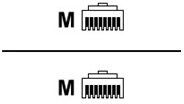
Cables Direct 99TXX-03 Cat5e U/UTP Crossover Network Cable (Grey) - 3mCables Direct 99TXX-03 economy 10/100 Cat5e U/UTP crossover network cable, 3 m, RJ-45 to RJ-45. Colour: grey. A crossover cable connects two devices directly (e.g. PC to PC); it is not a standard patch cable.9,99 £*Shipping: 0,00 £Secure redirect to the provider
-
Cables Direct 99TXX-05 Cat5e U/UTP Crossover Network Cable (Grey) - 5mCables Direct 99TXX-05 economy 10/100 Cat5e U/UTP crossover network cable, 5 m, RJ-45 to RJ-45, 26 AWG. Colour: grey. A crossover cable connects two devices directly (e.g. PC to PC); it is not a standard patch cable.9,99 £*Shipping: 0,00 £Secure redirect to the provider
-
Cables Direct 99TXX-10 Cat5e U/UTP Crossover Network Cable (Grey) - 10mCables Direct 99TXX-10 economy 10/100 Cat5e U/UTP crossover network cable, 10 m, RJ-45 to RJ-45, 26 AWG. Colour: grey. A crossover cable connects two devices directly (e.g. PC to PC); it is not a standard patch cable.11,99 £*Shipping: 0,00 £Secure redirect to the provider
-
How are network cables and power cables crossed?
Network cables and power cables are crossed by ensuring they run parallel to each other for as short a distance as possible. If they need to cross paths, they should do so at a 90-degree angle to minimize interference. It is important to keep network cables away from power cables to prevent electromagnetic interference that can disrupt network signals. Proper cable management and organization can help maintain a clean and efficient setup. **
-
What is the difference between a Cat5/Cat5e and a Cat6a network outlet?
The main difference between a Cat5/Cat5e and a Cat6a network outlet is the level of performance and speed they can support. Cat6a outlets are designed to handle higher data transfer rates and frequencies compared to Cat5/Cat5e outlets, making them more suitable for high-speed applications like Gigabit Ethernet and 10-Gigabit Ethernet. Additionally, Cat6a outlets have better crosstalk and interference protection due to their improved shielding, resulting in a more reliable and stable network connection. **
-
Can the direct current cross-section be distributed across multiple cables?
Yes, direct current can be distributed across multiple cables. By connecting multiple cables in parallel, the total current can be divided among the cables, allowing for the distribution of the direct current across them. This method is commonly used in electrical systems to ensure that the current is evenly distributed and to prevent overloading of individual cables. **
-
How do I determine the polarity of cables in direct current?
To determine the polarity of cables in direct current, you can use a multimeter set to the DC voltage setting. Connect the red probe to the positive terminal of the cable and the black probe to the negative terminal. If the multimeter shows a positive reading, then the red probe is connected to the positive terminal. If the reading is negative, then the red probe is connected to the negative terminal. This method helps you identify the polarity of the cables accurately. **
Similar search terms for Cables-Direct-99TXX-03-Cat5e
-
Cables Direct 5m Cat5e U/UTP Moulded Network Cable - PinkCat5e cable, a high-signal integrity twisted pair type, is commonly unshielded, using its twisted design for noise rejection. Some versions may be shielded. It's frequently employed in computer networks, like Ethernet.10,99 £*Shipping: 0,00 £Secure redirect to the provider
-
Cables Direct Cat5e UTP 10m White Network Cable - Network Cables (10m, RJ-45, RJ-45, White)Our budget-friendly 10/100 network cables deliver high performance at a lower cost, maintaining 4 unshielded twisted pairs. Note that while this meets CAT5e specifications, it uses CCA and is not suitable for POE applications.11,99 £*Shipping: 0,00 £Secure redirect to the provider
-
Cables Direct Cat5e UTP 1.5m Network Cable 1.5m White - Network Cables (1.5m, RJ-45, RJ-45, White)Our budget-friendly 10/100 network cables deliver high performance at an affordable price, maintaining four unshielded twisted pairs. Note that while this meets CAT5e specifications, it uses CCA and is not suitable for use with POE.9,99 £*Shipping: 0,00 £Secure redirect to the provider
-
What is 03 Roentgen?
03 Roentgen is a unit of measurement for ionizing radiation exposure. It is used to quantify the amount of radiation absorbed by an object or person. The term "Roentgen" is named after Wilhelm Roentgen, the physicist who discovered X-rays in 1895. 03 Roentgen is a relatively low level of radiation exposure, but it can still pose health risks if sustained over a period of time. **
-
How high is the network utilization at 03:00 am?
The network utilization at 03:00 am is relatively low as most people are asleep and not actively using the network. This is typically a period of low demand for network resources, resulting in lower utilization levels. It is a good time for network maintenance and updates due to the decreased demand. **
-
Do you need thicker cables for direct current than for alternating current?
No, you do not necessarily need thicker cables for direct current (DC) than for alternating current (AC). The current-carrying capacity of a cable is determined by factors such as the material, size, and insulation of the cable, as well as the voltage and current being carried. Both DC and AC have their own unique considerations when it comes to cable sizing, but the need for thicker cables is not inherently tied to the type of current being carried. It ultimately depends on the specific requirements of the electrical system and the application. **
-
Do professionals patch network cables?
Yes, professionals do patch network cables as part of their job responsibilities. Patching network cables involves connecting different devices to a network using patch cables. This process ensures that data can be transmitted efficiently and securely between devices. Professionals are trained to properly patch network cables to maintain network performance and connectivity. **
* All prices are inclusive of VAT and, if applicable, plus shipping costs. The offer information is based on the details provided by the respective shop and is updated through automated processes. Real-time updates do not occur, so deviations can occur in individual cases. ** Note: Parts of this content were created by AI.