Buy cyberfenua.eu ?
We are moving the project
cyberfenua.eu .
Are you interested in purchasing the domain
cyberfenua.eu ?
domain@kv-gmbh.de · 0541-91531010
Buy cyberfenua.eu ?
Doesn't IPv4 change?
IPv4 does not change in the sense that it is a fixed set of rules and protocols that define how devices communicate on a network. However, individual IPv4 addresses can change as they are assigned dynamically by internet service providers or network administrators. Additionally, advancements in technology have led to the development of IPv6, which is a newer version of the Internet Protocol that offers more available addresses and improved features compared to IPv4. **
Doesn't IPv4 work, only IPv6?
No, both IPv4 and IPv6 are used for communication over the internet. IPv4 is the older version and is still widely used, but it is running out of available addresses due to the increasing number of devices connecting to the internet. IPv6 was developed to address this issue by providing a much larger pool of available addresses. Both IPv4 and IPv6 can coexist and are used simultaneously in many networks. **


Similar search terms for Ipv4
Top-Angebote
Products related to Ipv4:
-
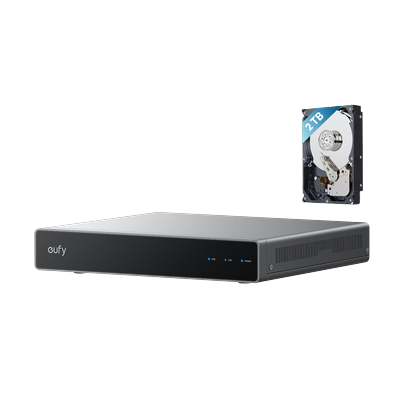
eufy Network Video Recorder S4 for Home Security CamerasLocal AI Agent: Unlock proactive, real-time security with our local AI agent, fueled by 6T/8-Core power for instant analysis, genuine threat identification, and decisive action. Customize no-go zones and alerts, enabling AI to accurately detect real...599,99 $*Shipping: 0,00 $Secure redirect to the provider
-
Axis A9801 Security Relay for Network Video Door StationsThe Axis A9801 Security Relay adds a secure lock-control relay for doors managed by Axis network video door stations such as the A8004-VE and A8105-VE, so the door strike is not wired directly to the outdoor unit. It supports 12 V and 24 V door strikes, has tamper control and fits in a standard installation box. Plastic housing.179,49 £*Shipping: 0,00 £Secure redirect to the provider
-
Cotril Styling Firewall Thermal Protective Spray 250mLA hair-care product for dry or dehydrated skin. Styling Firewall is a thermo-protective spray that protects hair from heat. This spray creates a film that surrounds the structure of the hair to prevent excessive dehydration and preserve color during drying. It seals the lengths and preserves the natural level of elasticity, shine and flexibility within them.15,11 £*Shipping: 7,11 £Secure redirect to the provider



-
Are IPv4 and IPv6 separate?
Yes, IPv4 and IPv6 are separate and distinct protocols for identifying and addressing devices on a network. IPv4 is the older and more widely used protocol, while IPv6 is the newer and more advanced protocol designed to address the limitations of IPv4, such as the exhaustion of available addresses. Both protocols can coexist on the same network, but they are not directly compatible with each other. **
-
What is an IPv4 address?
An IPv4 address is a numerical label assigned to each device connected to a computer network that uses the Internet Protocol for communication. It consists of a series of four numbers separated by periods, with each number ranging from 0 to 255. IPv4 addresses are used to uniquely identify devices on a network and enable them to communicate with each other. Due to the limited number of available IPv4 addresses, the newer IPv6 protocol has been developed to accommodate the growing number of devices connected to the internet. **
-
Why is IPv4 not connected?
IPv4 is not connected because it is a protocol used to identify and locate devices on a network, but it does not have built-in security features to protect against cyber threats. Additionally, IPv4 has a limited number of available IP addresses, which has led to the development and adoption of IPv6 to accommodate the growing number of devices connected to the internet. As a result, IPv4 is gradually being phased out in favor of IPv6, which offers improved security and a larger address space. **
-
Are network classes still relevant and what is the need for IPv4?
Yes, network classes are still relevant as they provide a way to organize and manage IP addresses in a structured manner. While the concept of network classes has evolved with the introduction of Classless Inter-Domain Routing (CIDR), they still serve as a fundamental building block for understanding IP address allocation and subnetting. The need for IPv4 persists due to the large installed base of devices and infrastructure that still rely on it. Despite the introduction of IPv6, which offers a much larger address space, the transition has been slow and many organizations continue to rely on IPv4. As a result, the need for IPv4 addresses remains significant, especially in regions where IPv6 adoption has been slower. **

Will the local IPv4 network also disappear soon when switching to IPv6?
No, the local IPv4 network will not disappear soon when switching to IPv6. IPv4 and IPv6 can coexist, and many networks will continue to support both protocols for the foreseeable future. This allows for a gradual transition to IPv6 without the immediate need to completely abandon IPv4. Additionally, many devices and systems will continue to rely on IPv4 for the time being, so the local IPv4 network will still be necessary for communication within those environments. **
Can you change IPv6 to IPv4?
No, you cannot directly change IPv6 to IPv4. IPv6 and IPv4 are two different network protocols with distinct addressing schemes. IPv6 was developed to address the limitations of IPv4, such as the exhaustion of available IPv4 addresses. To switch from IPv6 to IPv4, you would need to reconfigure your network infrastructure and devices to use IPv4 addresses instead of IPv6. **
Top-Angebote
Products related to Ipv4:
-
eufy Network Video Recorder S4 for Home Security CamerasLocal AI Agent: Unlock proactive, real-time security with our local AI agent, fueled by 6T/8-Core power for instant analysis, genuine threat identification, and decisive action. Customize no-go zones and alerts, enabling AI to accurately detect real...599,99 $*Shipping: 0,00 $Secure redirect to the provider
-
Doesn't IPv4 change?
IPv4 does not change in the sense that it is a fixed set of rules and protocols that define how devices communicate on a network. However, individual IPv4 addresses can change as they are assigned dynamically by internet service providers or network administrators. Additionally, advancements in technology have led to the development of IPv6, which is a newer version of the Internet Protocol that offers more available addresses and improved features compared to IPv4. **
-
Doesn't IPv4 work, only IPv6?
No, both IPv4 and IPv6 are used for communication over the internet. IPv4 is the older version and is still widely used, but it is running out of available addresses due to the increasing number of devices connecting to the internet. IPv6 was developed to address this issue by providing a much larger pool of available addresses. Both IPv4 and IPv6 can coexist and are used simultaneously in many networks. **
-
Are IPv4 and IPv6 separate?
Yes, IPv4 and IPv6 are separate and distinct protocols for identifying and addressing devices on a network. IPv4 is the older and more widely used protocol, while IPv6 is the newer and more advanced protocol designed to address the limitations of IPv4, such as the exhaustion of available addresses. Both protocols can coexist on the same network, but they are not directly compatible with each other. **
-
What is an IPv4 address?
An IPv4 address is a numerical label assigned to each device connected to a computer network that uses the Internet Protocol for communication. It consists of a series of four numbers separated by periods, with each number ranging from 0 to 255. IPv4 addresses are used to uniquely identify devices on a network and enable them to communicate with each other. Due to the limited number of available IPv4 addresses, the newer IPv6 protocol has been developed to accommodate the growing number of devices connected to the internet. **
Similar search terms for Ipv4
-
Axis A9801 Security Relay for Network Video Door StationsThe Axis A9801 Security Relay adds a secure lock-control relay for doors managed by Axis network video door stations such as the A8004-VE and A8105-VE, so the door strike is not wired directly to the outdoor unit. It supports 12 V and 24 V door strikes, has tamper control and fits in a standard installation box. Plastic housing.179,49 £*Shipping: 0,00 £Secure redirect to the provider
-
Cotril Styling Firewall Thermal Protective Spray 250mLA hair-care product for dry or dehydrated skin. Styling Firewall is a thermo-protective spray that protects hair from heat. This spray creates a film that surrounds the structure of the hair to prevent excessive dehydration and preserve color during drying. It seals the lengths and preserves the natural level of elasticity, shine and flexibility within them.15,11 £*Shipping: 7,11 £Secure redirect to the provider
-
DrayTek Vigor 2927 Wired Dual-WAN VPN Firewall RouterEnterprise-class desktop router with integrated 6-port Gigabit Ethernet switch and dual WAN ports. Supports up to 50 concurrent VPN tunnels and 25 SSL VPN tunnels with 60,000 NAT sessions capacity. Advanced routing protocols include BGP, static IPv4/IPv6, and policy-based routing with comprehensive remote management options.283,49 £*Shipping: 0,00 £Secure redirect to the provider
-
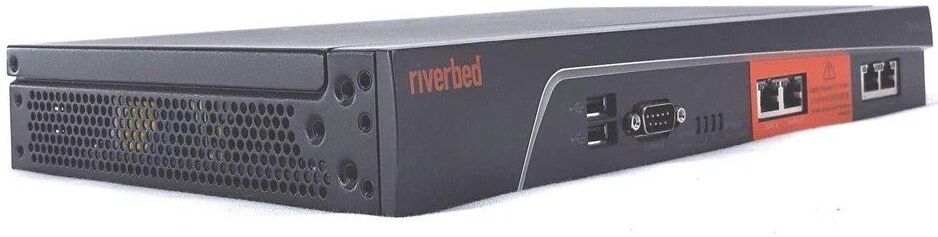
Riverbed Steelhead 250 Series Firewall SHA-00250-M, NewStep into enterprise network optimisation with the Riverbed Steelhead 250 Series (SHA-00250-M), a compact WAN acceleration appliance designed to improve application performance and reduce bandwidth usage across distributed networks. Built for branch offices and small-to-medium environments, it enhances data transfer speeds and user experience over WAN connections. ✔️ WAN Optimisation Technology – Accelerates applications and data transfer across wide-area networks for faster performance ✔️ Bandwidth Reduction (Up to 60–95%) – Minimises network traffic using data deduplication and compression ✔️ Application Acceleration – Improves performance for file sharing, email, web apps, and databases ✔️ 24/7 Enterprise Operation – Designed for continuous use in business environments ✔️ Compact Desktop Form Factor – Space-saving design suitable for branch offices and IT racks ✔️ Optimised TCP/UDP Handling – Enhances network efficiency and reduces latency ✔️ Integrated Bypass Ports – Maintains network availability even during power loss or failure ✔️ Low Power Consumption (~40W) – Efficient operation for always-on deployments ✔️ Supports Multiple Users & Sites – Scales for multi-branch connectivity and enterprise setups ✔️ Easy Deployment – Works without major changes to existing infrastructure or applications The Riverbed Steelhead 250 Series is designed for businesses that need faster application performance over WAN without upgrading bandwidth . Whether you're running remote offices, centralising servers, or improving cloud access, this appliance delivers proven optimisation and efficiency. Ideal for enterprise IT environments, it keeps your network fast, efficient, and cost-effective .63,99 £*Shipping: 0,00 £Secure redirect to the provider
-
Why is IPv4 not connected?
IPv4 is not connected because it is a protocol used to identify and locate devices on a network, but it does not have built-in security features to protect against cyber threats. Additionally, IPv4 has a limited number of available IP addresses, which has led to the development and adoption of IPv6 to accommodate the growing number of devices connected to the internet. As a result, IPv4 is gradually being phased out in favor of IPv6, which offers improved security and a larger address space. **
-
Are network classes still relevant and what is the need for IPv4?
Yes, network classes are still relevant as they provide a way to organize and manage IP addresses in a structured manner. While the concept of network classes has evolved with the introduction of Classless Inter-Domain Routing (CIDR), they still serve as a fundamental building block for understanding IP address allocation and subnetting. The need for IPv4 persists due to the large installed base of devices and infrastructure that still rely on it. Despite the introduction of IPv6, which offers a much larger address space, the transition has been slow and many organizations continue to rely on IPv4. As a result, the need for IPv4 addresses remains significant, especially in regions where IPv6 adoption has been slower. **
-
Will the local IPv4 network also disappear soon when switching to IPv6?
No, the local IPv4 network will not disappear soon when switching to IPv6. IPv4 and IPv6 can coexist, and many networks will continue to support both protocols for the foreseeable future. This allows for a gradual transition to IPv6 without the immediate need to completely abandon IPv4. Additionally, many devices and systems will continue to rely on IPv4 for the time being, so the local IPv4 network will still be necessary for communication within those environments. **
-
Can you change IPv6 to IPv4?
No, you cannot directly change IPv6 to IPv4. IPv6 and IPv4 are two different network protocols with distinct addressing schemes. IPv6 was developed to address the limitations of IPv4, such as the exhaustion of available IPv4 addresses. To switch from IPv6 to IPv4, you would need to reconfigure your network infrastructure and devices to use IPv4 addresses instead of IPv6. **
* All prices are inclusive of VAT and, if applicable, plus shipping costs. The offer information is based on the details provided by the respective shop and is updated through automated processes. Real-time updates do not occur, so deviations can occur in individual cases. ** Note: Parts of this content were created by AI.