Buy cyberfenua.eu ?
We are moving the project
cyberfenua.eu .
Are you interested in purchasing the domain
cyberfenua.eu ?
domain@kv-gmbh.de · 0541-91531010
Buy cyberfenua.eu ?
What are the temperate zones in the mid-latitudes?
The temperate zones in the mid-latitudes are regions located between the Tropic of Cancer and the Arctic Circle in the Northern Hemisphere, and between the Tropic of Capricorn and the Antarctic Circle in the Southern Hemisphere. These zones experience moderate temperatures compared to the tropics and polar regions, with distinct seasons including warm summers and cool winters. The temperate zones are characterized by a variety of ecosystems, including deciduous forests, grasslands, and Mediterranean climates, making them highly diverse in terms of flora and fauna. **
Can you please give a presentation about the moist mid-latitudes?
The moist mid-latitudes, also known as the temperate climate zone, are characterized by moderate temperatures and ample precipitation. This region is located between the Tropic of Cancer and the Arctic Circle in the Northern Hemisphere, and between the Tropic of Capricorn and the Antarctic Circle in the Southern Hemisphere. The moist mid-latitudes experience distinct seasons, with warm summers and cool winters. The vegetation in this region is diverse, with a mix of deciduous and coniferous forests, as well as grasslands. The moist mid-latitudes are also home to a variety of agricultural activities, including the production of grains, fruits, and vegetables. **


Similar search terms for Mid-latitudes
Top-Angebote
Products related to Mid-latitudes:
-
No Mid-Century DeskA perfectly-sized desk, a detachable 360° adjustable overhead lamp, and all the tech accessibility you'd want (a power outlet, as well as USB and USB-C charging ports) packed into one product you'll love. This is the modern desk you've always wanted.243,99 $*Shipping: 0,00 $Secure redirect to the provider
-
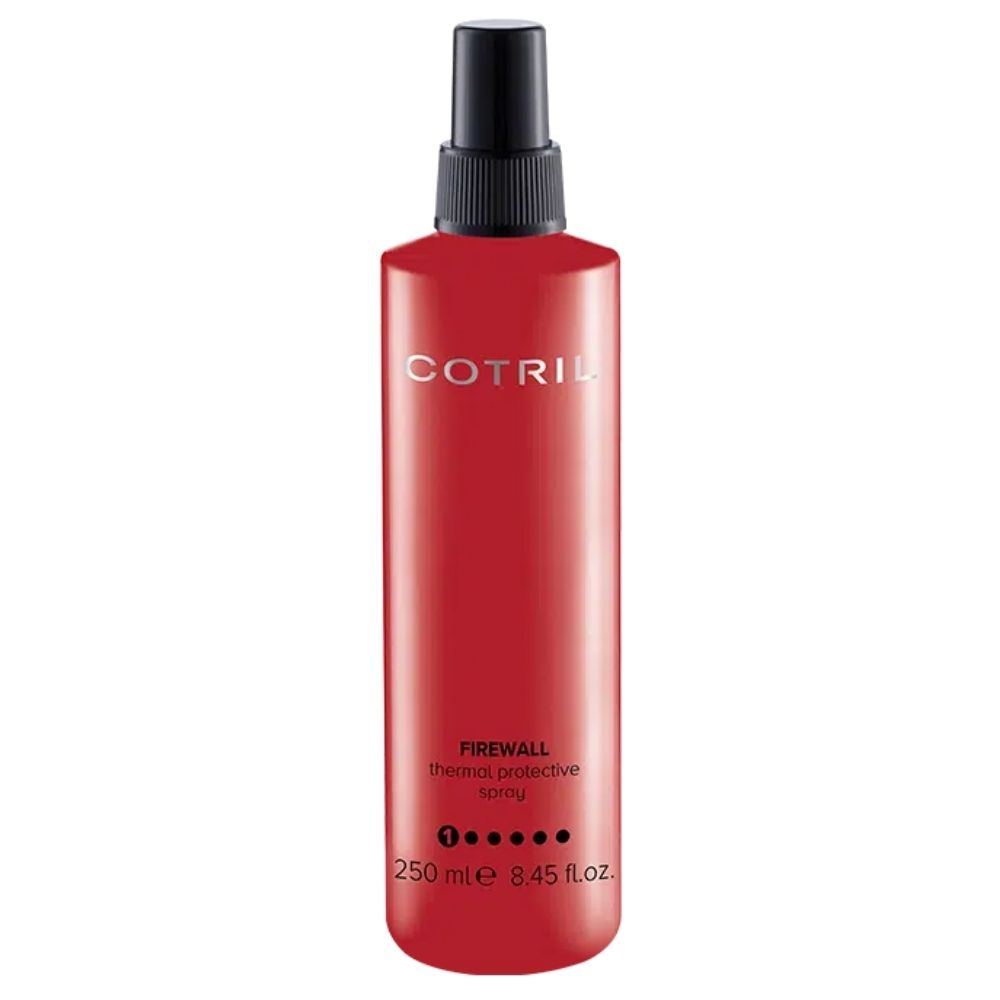
Cotril Styling Firewall Thermal Protective Spray 250mLA hair-care product for dry or dehydrated skin. Styling Firewall is a thermo-protective spray that protects hair from heat. This spray creates a film that surrounds the structure of the hair to prevent excessive dehydration and preserve color during drying. It seals the lengths and preserves the natural level of elasticity, shine and flexibility within them.15,11 £*Shipping: 7,11 £Secure redirect to the provider
-
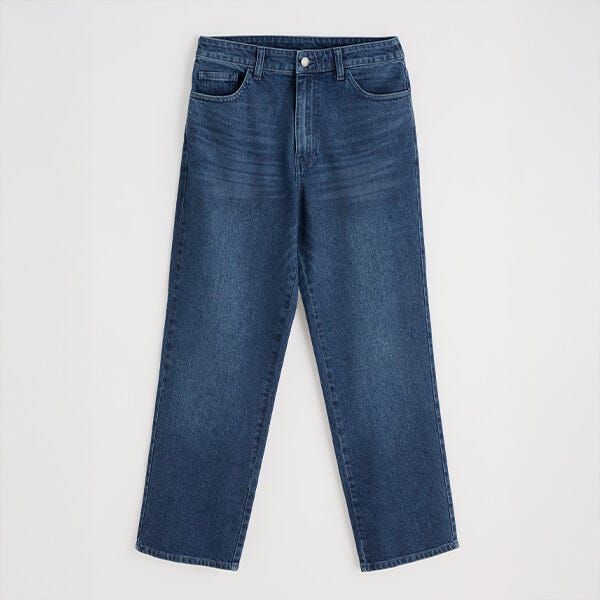
Seasalt Penwith Jeans Mid WashA contemporary take on a classic jean, the Seasalt Penwith Jeans in Mid Wash are mid-rise with a straight cut that grazes the ankle. Crafted from premium organic cotton, with just enough stretch to hold and support while standing the test of time. They pay special attention to the details with angled back pockets set higher and closer together to shape and lift, combining comfort and style for elevated everyday dressing. True outfit-making denim - this pair will be on rotation. Made from 99% Organic Cotton 1% Elastane. Machine wash at 30°C.35,00 £*Shipping: 3,50 £Secure redirect to the provider


-
What is the angle of incidence of the sun in the mid-latitudes?
The angle of incidence of the sun in the mid-latitudes varies throughout the year due to the tilt of the Earth's axis. During the summer solstice, the angle of incidence is at its highest, around 70-90 degrees, resulting in more direct sunlight and warmer temperatures. In contrast, during the winter solstice, the angle of incidence is at its lowest, around 0-30 degrees, leading to less direct sunlight and cooler temperatures. Overall, the angle of incidence in the mid-latitudes plays a significant role in determining the intensity of sunlight and the changing seasons. **
-
Why is the atmosphere in low latitudes much denser than in high latitudes?
The atmosphere in low latitudes is denser than in high latitudes because the Sun's rays hit the Earth more directly at the equator, causing the air to warm up and expand. This expansion leads to lower air pressure and a higher concentration of air molecules in the lower atmosphere. In contrast, at higher latitudes, the Sun's rays hit the Earth at an angle, causing the air to be cooler and more compact, resulting in a thinner atmosphere. **
-
Why is the atmosphere much denser in low latitudes than in high latitudes?
The atmosphere is denser in low latitudes than in high latitudes because the sun's rays are more direct at the equator, causing the air to be warmer and less dense. This warmth leads to the air expanding and rising, creating lower pressure at the surface. In contrast, at higher latitudes, the sun's rays are more spread out, leading to cooler temperatures and denser air. Additionally, the Coriolis effect at high latitudes causes air to circulate and mix more, further reducing its density. **
-
Why is the atmosphere in low latitudes much thicker than in high latitudes?
The atmosphere in low latitudes is much thicker than in high latitudes because the sun's rays hit the Earth more directly at the equator, causing the air to warm up and rise. This rising warm air creates lower pressure at the surface, drawing in more air from the surrounding areas. In contrast, at higher latitudes, the sun's rays hit the Earth at a lower angle, causing the air to be cooler and denser, resulting in a thinner atmosphere. **

Why is there different climate on different latitudes?
Different latitudes receive varying amounts of sunlight due to the curvature of the Earth. Near the equator, sunlight is more direct and concentrated, leading to warmer temperatures. As you move towards the poles, sunlight is more spread out and less intense, resulting in cooler temperatures. This variation in sunlight and temperature creates different climate zones at different latitudes. **
How do I describe the latitudes of Brazil?
Brazil is located in the Southern Hemisphere and spans a wide range of latitudes, from approximately 5 degrees north to 33 degrees south. This means that Brazil experiences a variety of climates, from tropical in the north to subtropical and temperate in the south. The diverse latitudes also contribute to the country's rich biodiversity and varied landscapes, including the Amazon rainforest in the north and the grasslands of the Pampas in the south. **
Top-Angebote
Products related to Mid-latitudes:
-
Axis A9801 Security Relay for Network Video Door StationsThe Axis A9801 Security Relay adds a secure lock-control relay for doors managed by Axis network video door stations such as the A8004-VE and A8105-VE, so the door strike is not wired directly to the outdoor unit. It supports 12 V and 24 V door strikes, has tamper control and fits in a standard installation box. Plastic housing.179,49 £*Shipping: 0,00 £Secure redirect to the provider
-
eufy Network Video Recorder S4 for Home Security CamerasLocal AI Agent: Unlock proactive, real-time security with our local AI agent, fueled by 6T/8-Core power for instant analysis, genuine threat identification, and decisive action. Customize no-go zones and alerts, enabling AI to accurately detect real...599,99 $*Shipping: 0,00 $Secure redirect to the provider
-
No Mid-Century DeskA perfectly-sized desk, a detachable 360° adjustable overhead lamp, and all the tech accessibility you'd want (a power outlet, as well as USB and USB-C charging ports) packed into one product you'll love. This is the modern desk you've always wanted.243,99 $*Shipping: 0,00 $Secure redirect to the provider
-
What are the temperate zones in the mid-latitudes?
The temperate zones in the mid-latitudes are regions located between the Tropic of Cancer and the Arctic Circle in the Northern Hemisphere, and between the Tropic of Capricorn and the Antarctic Circle in the Southern Hemisphere. These zones experience moderate temperatures compared to the tropics and polar regions, with distinct seasons including warm summers and cool winters. The temperate zones are characterized by a variety of ecosystems, including deciduous forests, grasslands, and Mediterranean climates, making them highly diverse in terms of flora and fauna. **
-
Can you please give a presentation about the moist mid-latitudes?
The moist mid-latitudes, also known as the temperate climate zone, are characterized by moderate temperatures and ample precipitation. This region is located between the Tropic of Cancer and the Arctic Circle in the Northern Hemisphere, and between the Tropic of Capricorn and the Antarctic Circle in the Southern Hemisphere. The moist mid-latitudes experience distinct seasons, with warm summers and cool winters. The vegetation in this region is diverse, with a mix of deciduous and coniferous forests, as well as grasslands. The moist mid-latitudes are also home to a variety of agricultural activities, including the production of grains, fruits, and vegetables. **
-
What is the angle of incidence of the sun in the mid-latitudes?
The angle of incidence of the sun in the mid-latitudes varies throughout the year due to the tilt of the Earth's axis. During the summer solstice, the angle of incidence is at its highest, around 70-90 degrees, resulting in more direct sunlight and warmer temperatures. In contrast, during the winter solstice, the angle of incidence is at its lowest, around 0-30 degrees, leading to less direct sunlight and cooler temperatures. Overall, the angle of incidence in the mid-latitudes plays a significant role in determining the intensity of sunlight and the changing seasons. **
-
Why is the atmosphere in low latitudes much denser than in high latitudes?
The atmosphere in low latitudes is denser than in high latitudes because the Sun's rays hit the Earth more directly at the equator, causing the air to warm up and expand. This expansion leads to lower air pressure and a higher concentration of air molecules in the lower atmosphere. In contrast, at higher latitudes, the Sun's rays hit the Earth at an angle, causing the air to be cooler and more compact, resulting in a thinner atmosphere. **
Similar search terms for Mid-latitudes
-
Cotril Styling Firewall Thermal Protective Spray 250mLA hair-care product for dry or dehydrated skin. Styling Firewall is a thermo-protective spray that protects hair from heat. This spray creates a film that surrounds the structure of the hair to prevent excessive dehydration and preserve color during drying. It seals the lengths and preserves the natural level of elasticity, shine and flexibility within them.15,11 £*Shipping: 7,11 £Secure redirect to the provider
-
Seasalt Penwith Jeans Mid WashA contemporary take on a classic jean, the Seasalt Penwith Jeans in Mid Wash are mid-rise with a straight cut that grazes the ankle. Crafted from premium organic cotton, with just enough stretch to hold and support while standing the test of time. They pay special attention to the details with angled back pockets set higher and closer together to shape and lift, combining comfort and style for elevated everyday dressing. True outfit-making denim - this pair will be on rotation. Made from 99% Organic Cotton 1% Elastane. Machine wash at 30°C.35,00 £*Shipping: 3,50 £Secure redirect to the provider
-
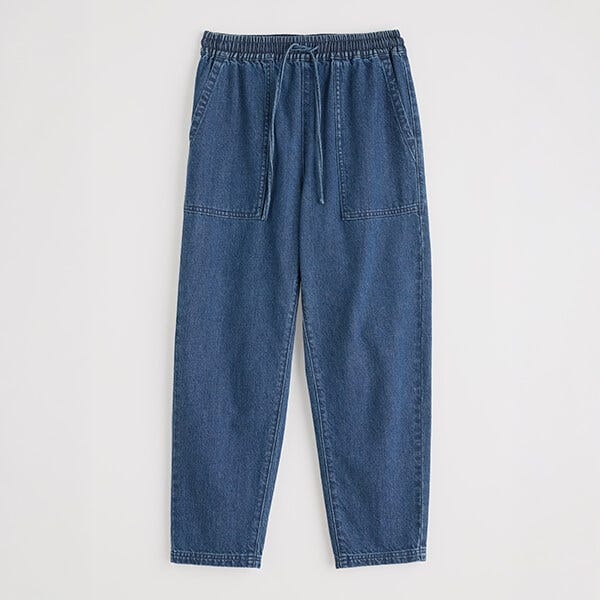
Seasalt Sholl Trousers Mid WashIntroducing the Seasalt Sholl Trousers in Mid Wash: where elevated style meets everyday comfort. Designed to drape beautifully with a gently tapered, slightly cropped leg and a pull-on elasticated waistband, finished with practical patch pockets. A pair you'll never want to take off. Made from 90% Organic Cotton 10% Linen. Machine washable.65,95 £*Shipping: 0,00 £Secure redirect to the provider
-
Baxton Studio Mid-Century LoveseatProvide cozy and comfortable seating for two with a healthy dose of mid-century style with this loveseat by Baxton Studio. Reliable rubberwood framing provides strength and support with a timeless natural-brown finish.474,65 $*Shipping: 0,00 $Secure redirect to the provider
-
Why is the atmosphere much denser in low latitudes than in high latitudes?
The atmosphere is denser in low latitudes than in high latitudes because the sun's rays are more direct at the equator, causing the air to be warmer and less dense. This warmth leads to the air expanding and rising, creating lower pressure at the surface. In contrast, at higher latitudes, the sun's rays are more spread out, leading to cooler temperatures and denser air. Additionally, the Coriolis effect at high latitudes causes air to circulate and mix more, further reducing its density. **
-
Why is the atmosphere in low latitudes much thicker than in high latitudes?
The atmosphere in low latitudes is much thicker than in high latitudes because the sun's rays hit the Earth more directly at the equator, causing the air to warm up and rise. This rising warm air creates lower pressure at the surface, drawing in more air from the surrounding areas. In contrast, at higher latitudes, the sun's rays hit the Earth at a lower angle, causing the air to be cooler and denser, resulting in a thinner atmosphere. **
-
Why is there different climate on different latitudes?
Different latitudes receive varying amounts of sunlight due to the curvature of the Earth. Near the equator, sunlight is more direct and concentrated, leading to warmer temperatures. As you move towards the poles, sunlight is more spread out and less intense, resulting in cooler temperatures. This variation in sunlight and temperature creates different climate zones at different latitudes. **
-
How do I describe the latitudes of Brazil?
Brazil is located in the Southern Hemisphere and spans a wide range of latitudes, from approximately 5 degrees north to 33 degrees south. This means that Brazil experiences a variety of climates, from tropical in the north to subtropical and temperate in the south. The diverse latitudes also contribute to the country's rich biodiversity and varied landscapes, including the Amazon rainforest in the north and the grasslands of the Pampas in the south. **
* All prices are inclusive of VAT and, if applicable, plus shipping costs. The offer information is based on the details provided by the respective shop and is updated through automated processes. Real-time updates do not occur, so deviations can occur in individual cases. ** Note: Parts of this content were created by AI.