Buy cyberfenua.eu ?
We are moving the project
cyberfenua.eu .
Are you interested in purchasing the domain
cyberfenua.eu ?
domain@kv-gmbh.de · 0541-91531010
Buy cyberfenua.eu ?
What are trophic levels and trophic structures?
Trophic levels refer to the hierarchical levels in an ecosystem through which energy and nutrients flow. They represent the feeding positions of different organisms in a food chain or food web. Trophic structures, on the other hand, describe the organization of these trophic levels within an ecosystem. This includes the distribution of energy and nutrients among different organisms, as well as the interactions and relationships between them. Overall, trophic levels and trophic structures are important concepts for understanding the flow of energy and nutrients in ecosystems and the dynamics of food chains and food webs. **
Are trophic levels and trophic levels the same in biology?
No, trophic levels and trophic levels are not the same in biology. Trophic levels refer to the hierarchical levels in an ecosystem based on an organism's position in the food chain, such as producers, primary consumers, secondary consumers, etc. On the other hand, trophic cascades are the indirect effects that occur when a change in one trophic level impacts other trophic levels in the ecosystem. Both concepts are important in understanding the dynamics of energy flow and interactions within ecosystems. **

Similar search terms for Trophic
Top-Angebote
Products related to Trophic:
-
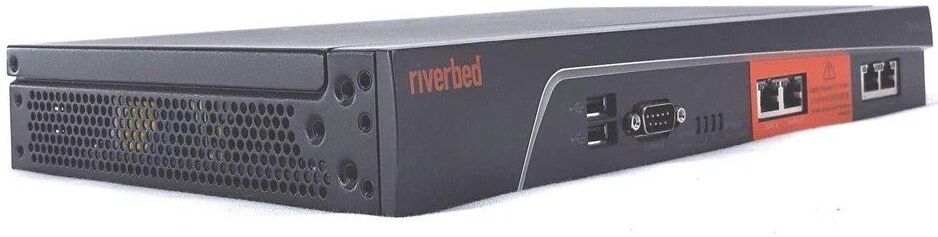
Riverbed Steelhead 250 Series Firewall SHA-00250-M, NewStep into enterprise network optimisation with the Riverbed Steelhead 250 Series (SHA-00250-M), a compact WAN acceleration appliance designed to improve application performance and reduce bandwidth usage across distributed networks. Built for branch offices and small-to-medium environments, it enhances data transfer speeds and user experience over WAN connections. ✔️ WAN Optimisation Technology – Accelerates applications and data transfer across wide-area networks for faster performance ✔️ Bandwidth Reduction (Up to 60–95%) – Minimises network traffic using data deduplication and compression ✔️ Application Acceleration – Improves performance for file sharing, email, web apps, and databases ✔️ 24/7 Enterprise Operation – Designed for continuous use in business environments ✔️ Compact Desktop Form Factor – Space-saving design suitable for branch offices and IT racks ✔️ Optimised TCP/UDP Handling – Enhances network efficiency and reduces latency ✔️ Integrated Bypass Ports – Maintains network availability even during power loss or failure ✔️ Low Power Consumption (~40W) – Efficient operation for always-on deployments ✔️ Supports Multiple Users & Sites – Scales for multi-branch connectivity and enterprise setups ✔️ Easy Deployment – Works without major changes to existing infrastructure or applications The Riverbed Steelhead 250 Series is designed for businesses that need faster application performance over WAN without upgrading bandwidth . Whether you're running remote offices, centralising servers, or improving cloud access, this appliance delivers proven optimisation and efficiency. Ideal for enterprise IT environments, it keeps your network fast, efficient, and cost-effective .63,99 £*Shipping: 0,00 £Secure redirect to the provider
-
DrayTek Vigor 2927 Wired Dual-WAN VPN Firewall RouterEnterprise-class desktop router with integrated 6-port Gigabit Ethernet switch and dual WAN ports. Supports up to 50 concurrent VPN tunnels and 25 SSL VPN tunnels with 60,000 NAT sessions capacity. Advanced routing protocols include BGP, static IPv4/IPv6, and policy-based routing with comprehensive remote management options.283,49 £*Shipping: 0,00 £Secure redirect to the provider
-
DrayTek Vigor 2962 Dual-WAN 2.5Gb Ethernet Firewall VPN RouterEnterprise-grade router with dual WAN ports supporting 200 concurrent VPN tunnels and 300,000 NAT sessions. Supports multiple routing protocols (BGP, OSPF, RIP) and VoIP standards (SIP, H.323) with integrated 4-port Gigabit/2.5 Gigabit switch. Desktop or rack-mountable form factor with comprehensive remote management capabilities via HTTP, HTTPS, SSH, SNMP, and TR-069.546,99 £*Shipping: 0,00 £Secure redirect to the provider
-
DrayTek Vigor 2927ax Dual-WAN Wi-Fi 6 VPN Firewall RouterEnterprise-grade Wi-Fi 6 router with dual gigabit WAN ports and integrated 6-port switch supporting up to 60,000 NAT sessions. Handles 50 concurrent VPN tunnels and 25 SSL VPN connections with support for advanced routing protocols including BGP and policy-based routing. Desktop form factor with 2-year warranty.361,99 £*Shipping: 0,00 £Secure redirect to the provider


-
Are trophic levels and trophic levels the same thing in biology?
No, "trophic levels" and "trophic levels" are not the same thing in biology. "Trophic levels" refer to the hierarchical levels in an ecosystem based on an organism's position in the food chain, such as producers, primary consumers, secondary consumers, and so on. On the other hand, "trophic levels" appears to be a typographical error or a repetition of the term "trophic levels." In biology, it is important to use accurate and specific terminology to avoid confusion and miscommunication. **
-
Why do organisms become larger from trophic level to trophic level?
Organisms become larger from trophic level to trophic level due to the efficiency of energy transfer in ecosystems. As energy is transferred from one trophic level to the next, there is a loss of energy in the form of heat and metabolic processes. Larger organisms are able to consume more energy-rich food sources and have a more efficient metabolism, allowing them to grow in size as they move up the food chain. Additionally, larger organisms are better equipped to capture and consume prey, giving them a competitive advantage in obtaining energy and resources. **
-
Why do organisms get larger from trophic level to trophic level?
Organisms tend to get larger from one trophic level to the next because as energy is transferred up the food chain, there is a loss of energy at each level. This means that organisms at higher trophic levels need to consume larger quantities of organisms from lower trophic levels to obtain enough energy to sustain themselves. Additionally, larger organisms are more efficient at capturing and consuming prey, allowing them to thrive at higher trophic levels. Finally, larger organisms have a lower surface area to volume ratio, which helps them retain heat and energy more effectively. **
-
Why does the biomass decrease from trophic level to trophic level?
Biomass decreases from trophic level to trophic level because energy is lost as it moves through the food chain. Organisms at each trophic level use some of the energy they consume for their own metabolic processes, such as respiration and movement, and the rest is lost as heat. This means that there is less energy available to be passed on to the next trophic level, resulting in a decrease in biomass. Additionally, not all of the energy from one trophic level is consumed by the next level, as some is lost through waste and uneaten parts of organisms. **

What are trophic levels in biology?
Trophic levels in biology refer to the hierarchical levels in an ecosystem where organisms are grouped based on their feeding relationships. The primary producers, such as plants, are at the base of the trophic levels as they convert sunlight into energy through photosynthesis. Herbivores that feed on plants are at the next level, followed by carnivores that eat herbivores. Each trophic level represents a transfer of energy and nutrients through the ecosystem, with energy decreasing as it moves up the levels. **
What is the trophic level of omnivores?
Omnivores are organisms that consume both plants and animals, so their trophic level can vary. When they consume plants, they are considered primary consumers (herbivores) and when they consume animals, they are considered secondary consumers (carnivores). This means that omnivores can occupy multiple trophic levels within a food web, depending on their diet. **
Top-Angebote
Products related to Trophic:
-
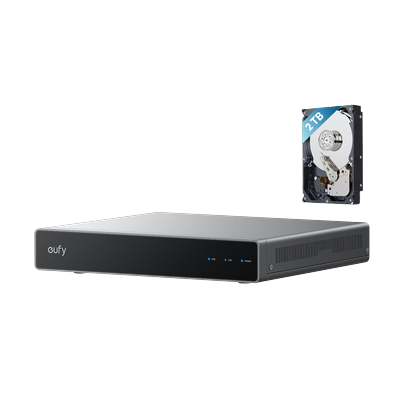
eufy Network Video Recorder S4 for Home Security CamerasLocal AI Agent: Unlock proactive, real-time security with our local AI agent, fueled by 6T/8-Core power for instant analysis, genuine threat identification, and decisive action. Customize no-go zones and alerts, enabling AI to accurately detect real...599,99 $*Shipping: 0,00 $Secure redirect to the provider
-
Axis A9801 Security Relay for Network Video Door StationsThe Axis A9801 Security Relay adds a secure lock-control relay for doors managed by Axis network video door stations such as the A8004-VE and A8105-VE, so the door strike is not wired directly to the outdoor unit. It supports 12 V and 24 V door strikes, has tamper control and fits in a standard installation box. Plastic housing.179,49 £*Shipping: 0,00 £Secure redirect to the provider
-
Riverbed Steelhead 250 Series Firewall SHA-00250-M, NewStep into enterprise network optimisation with the Riverbed Steelhead 250 Series (SHA-00250-M), a compact WAN acceleration appliance designed to improve application performance and reduce bandwidth usage across distributed networks. Built for branch offices and small-to-medium environments, it enhances data transfer speeds and user experience over WAN connections. ✔️ WAN Optimisation Technology – Accelerates applications and data transfer across wide-area networks for faster performance ✔️ Bandwidth Reduction (Up to 60–95%) – Minimises network traffic using data deduplication and compression ✔️ Application Acceleration – Improves performance for file sharing, email, web apps, and databases ✔️ 24/7 Enterprise Operation – Designed for continuous use in business environments ✔️ Compact Desktop Form Factor – Space-saving design suitable for branch offices and IT racks ✔️ Optimised TCP/UDP Handling – Enhances network efficiency and reduces latency ✔️ Integrated Bypass Ports – Maintains network availability even during power loss or failure ✔️ Low Power Consumption (~40W) – Efficient operation for always-on deployments ✔️ Supports Multiple Users & Sites – Scales for multi-branch connectivity and enterprise setups ✔️ Easy Deployment – Works without major changes to existing infrastructure or applications The Riverbed Steelhead 250 Series is designed for businesses that need faster application performance over WAN without upgrading bandwidth . Whether you're running remote offices, centralising servers, or improving cloud access, this appliance delivers proven optimisation and efficiency. Ideal for enterprise IT environments, it keeps your network fast, efficient, and cost-effective .63,99 £*Shipping: 0,00 £Secure redirect to the provider
-
DrayTek Vigor 2927 Wired Dual-WAN VPN Firewall RouterEnterprise-class desktop router with integrated 6-port Gigabit Ethernet switch and dual WAN ports. Supports up to 50 concurrent VPN tunnels and 25 SSL VPN tunnels with 60,000 NAT sessions capacity. Advanced routing protocols include BGP, static IPv4/IPv6, and policy-based routing with comprehensive remote management options.283,49 £*Shipping: 0,00 £Secure redirect to the provider
-
What are trophic levels and trophic structures?
Trophic levels refer to the hierarchical levels in an ecosystem through which energy and nutrients flow. They represent the feeding positions of different organisms in a food chain or food web. Trophic structures, on the other hand, describe the organization of these trophic levels within an ecosystem. This includes the distribution of energy and nutrients among different organisms, as well as the interactions and relationships between them. Overall, trophic levels and trophic structures are important concepts for understanding the flow of energy and nutrients in ecosystems and the dynamics of food chains and food webs. **
-
Are trophic levels and trophic levels the same in biology?
No, trophic levels and trophic levels are not the same in biology. Trophic levels refer to the hierarchical levels in an ecosystem based on an organism's position in the food chain, such as producers, primary consumers, secondary consumers, etc. On the other hand, trophic cascades are the indirect effects that occur when a change in one trophic level impacts other trophic levels in the ecosystem. Both concepts are important in understanding the dynamics of energy flow and interactions within ecosystems. **
-
Are trophic levels and trophic levels the same thing in biology?
No, "trophic levels" and "trophic levels" are not the same thing in biology. "Trophic levels" refer to the hierarchical levels in an ecosystem based on an organism's position in the food chain, such as producers, primary consumers, secondary consumers, and so on. On the other hand, "trophic levels" appears to be a typographical error or a repetition of the term "trophic levels." In biology, it is important to use accurate and specific terminology to avoid confusion and miscommunication. **
-
Why do organisms become larger from trophic level to trophic level?
Organisms become larger from trophic level to trophic level due to the efficiency of energy transfer in ecosystems. As energy is transferred from one trophic level to the next, there is a loss of energy in the form of heat and metabolic processes. Larger organisms are able to consume more energy-rich food sources and have a more efficient metabolism, allowing them to grow in size as they move up the food chain. Additionally, larger organisms are better equipped to capture and consume prey, giving them a competitive advantage in obtaining energy and resources. **
Similar search terms for Trophic
-
DrayTek Vigor 2962 Dual-WAN 2.5Gb Ethernet Firewall VPN RouterEnterprise-grade router with dual WAN ports supporting 200 concurrent VPN tunnels and 300,000 NAT sessions. Supports multiple routing protocols (BGP, OSPF, RIP) and VoIP standards (SIP, H.323) with integrated 4-port Gigabit/2.5 Gigabit switch. Desktop or rack-mountable form factor with comprehensive remote management capabilities via HTTP, HTTPS, SSH, SNMP, and TR-069.546,99 £*Shipping: 0,00 £Secure redirect to the provider
-
DrayTek Vigor 2927ax Dual-WAN Wi-Fi 6 VPN Firewall RouterEnterprise-grade Wi-Fi 6 router with dual gigabit WAN ports and integrated 6-port switch supporting up to 60,000 NAT sessions. Handles 50 concurrent VPN tunnels and 25 SSL VPN connections with support for advanced routing protocols including BGP and policy-based routing. Desktop form factor with 2-year warranty.361,99 £*Shipping: 0,00 £Secure redirect to the provider
-
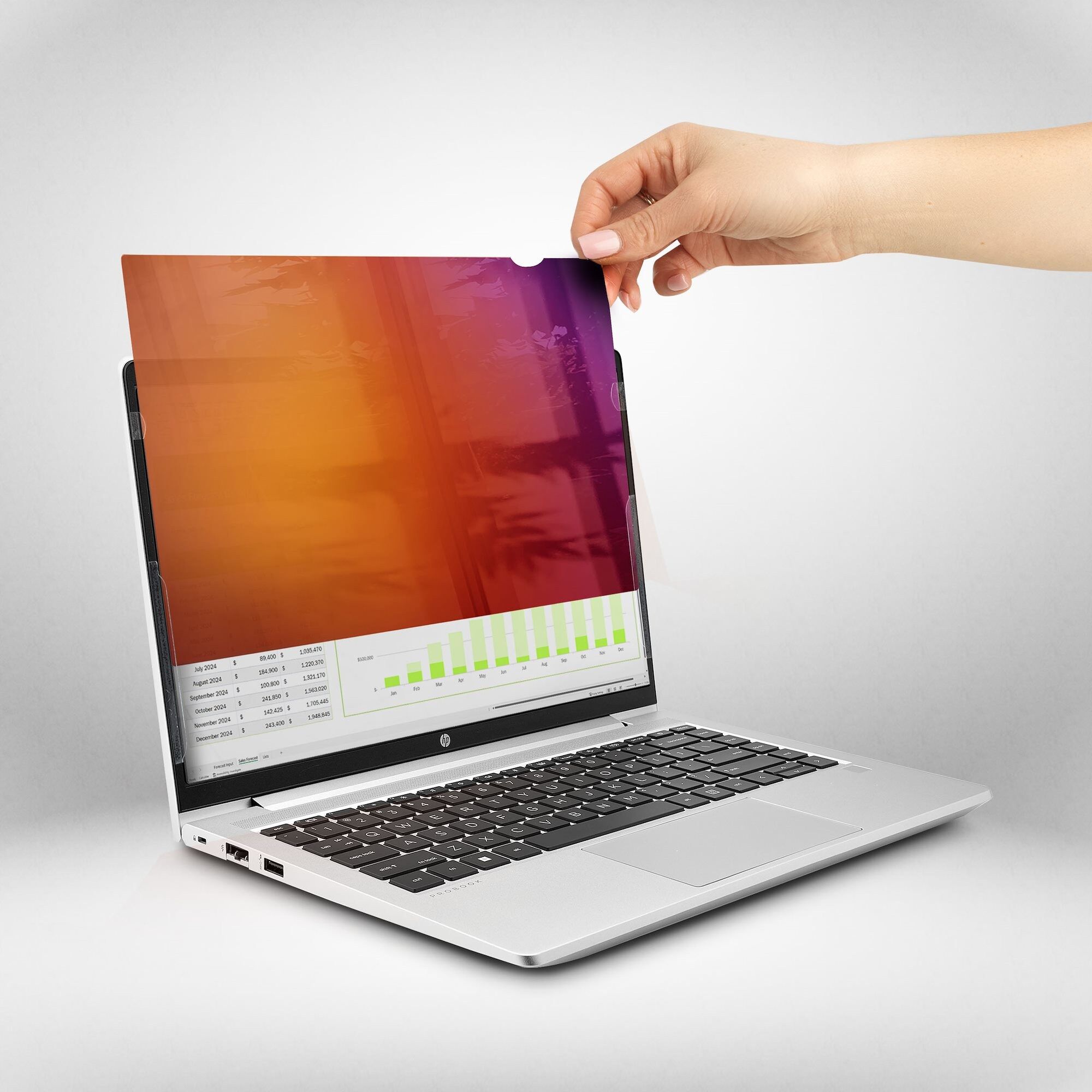
StarTech.com 14-inch 16:9 Laptop Privacy Screen, Reversible Gold Filter w/Enhanced Privacy, Computer Security Filter, Removable Screen Protector/ShielPrevent visual eavesdropping by limiting the viewing angle of your laptop screenThis Laptop Privacy Screen features a universal design compatible with 14-inch laptop screens with a 16:9 aspect ratio display. Gold Privacy Filters have a reflective surface that instantly transitions from a clear view to a mirror effect outside of the intended viewing angle, significantly improving visual privacy when working in an office or public environment.Prevent Visual EavesdroppingThe gold security filter is a convenient solution that features a quick shift to a mirror-like effect to protect confidential data from unwanted viewers while maintaining a clear view of 60 degrees (+/- 30 degrees from the center) for the user.Reversible FilterThe privacy filter's removable and reversible design allows users to effortlessly switch between a glossy gold side for maximum privacy and an anti-glare matte side for environments prone to glare. The matte side provides additional screen protection with a scratch- and fingerprint-resistant coating.Hassle-free InstallationThe universal design won't interfere with top-mounted webcams, sensors, or when closing the lid. The privacy filter can be installed in two different ways. Affix the privacy shield to bezel-less displays using the transparent and residue-free adhesive strips. Alternatively, use the slide mount tabs to install the privacy screen on displays with bezels. The latter is recommended when frequent reversal or removal is required.Blue Light ReductionReduce eye strain and improve visual comfort with this blue light-reducing privacy shield. It blocks 40% - 51% of the blue light emitted from the display in the 380nm - 480nm wavelength range. Digital eye strain can lead to symptoms like headaches, dry eyes, and blurred vision.The StarTech.com Advantage48,99 £*Shipping: 0,00 £Secure redirect to the provider
-
Trouble Maker Cheat Code hydrating lip gloss shade Firewall Hot Pink 3 mlTrouble Maker Cheat Code, 3 ml, Lip Glosses for Women, Forget smudged lip makeup that you have to check constantly. The Trouble Maker Cheat Code lip colour will ensure a lasting effect, but as opposed to long-lasting matte lipsticks, won’t cover the lips with a drying layer. Instead it will literally colour the skin of the lips, so that when you rub them after it dries, the colour will remain clearly visible. Because it will blend with your lips as if it were a natural part of them, you’ll avoid an unnatural or extremely dry look as well as unwanted emphasis of uneven areas and other imperfections. Characteristics: moisturises and softens lips ensures a high gloss long-lasting effect gives lips a rich colour does not smudge Ingredients: vegan product How to use: Apply an even layer to the lips with an applicator.2,30 £*Shipping: 3,99 £Secure redirect to the provider
-
Why do organisms get larger from trophic level to trophic level?
Organisms tend to get larger from one trophic level to the next because as energy is transferred up the food chain, there is a loss of energy at each level. This means that organisms at higher trophic levels need to consume larger quantities of organisms from lower trophic levels to obtain enough energy to sustain themselves. Additionally, larger organisms are more efficient at capturing and consuming prey, allowing them to thrive at higher trophic levels. Finally, larger organisms have a lower surface area to volume ratio, which helps them retain heat and energy more effectively. **
-
Why does the biomass decrease from trophic level to trophic level?
Biomass decreases from trophic level to trophic level because energy is lost as it moves through the food chain. Organisms at each trophic level use some of the energy they consume for their own metabolic processes, such as respiration and movement, and the rest is lost as heat. This means that there is less energy available to be passed on to the next trophic level, resulting in a decrease in biomass. Additionally, not all of the energy from one trophic level is consumed by the next level, as some is lost through waste and uneaten parts of organisms. **
-
What are trophic levels in biology?
Trophic levels in biology refer to the hierarchical levels in an ecosystem where organisms are grouped based on their feeding relationships. The primary producers, such as plants, are at the base of the trophic levels as they convert sunlight into energy through photosynthesis. Herbivores that feed on plants are at the next level, followed by carnivores that eat herbivores. Each trophic level represents a transfer of energy and nutrients through the ecosystem, with energy decreasing as it moves up the levels. **
-
What is the trophic level of omnivores?
Omnivores are organisms that consume both plants and animals, so their trophic level can vary. When they consume plants, they are considered primary consumers (herbivores) and when they consume animals, they are considered secondary consumers (carnivores). This means that omnivores can occupy multiple trophic levels within a food web, depending on their diet. **
* All prices are inclusive of VAT and, if applicable, plus shipping costs. The offer information is based on the details provided by the respective shop and is updated through automated processes. Real-time updates do not occur, so deviations can occur in individual cases. ** Note: Parts of this content were created by AI.